Negotiations surrounding the Cronos gas field are entering their final phase, with first gas production expected between late 2027 and mid-2028, according to Cyprus Energy Minister Michalis Damianou.
Speaking after chairing a meeting held under Cyprus’ presidency of the Council of the European Union, Damianou emphasized that natural gas remains an important contributor to Europe’s energy security in the short and medium term. However, he stressed that future infrastructure projects beyond 2030 must remain aligned with the European Union’s climate ambitions and clean energy transition goals.
The Cronos offshore discovery, operated by a consortium of Eni and TotalEnergies, is expected to channel gas through Egypt’s giant Zohr Field before reaching European markets.
“If an agreement is finalized within the next one to two weeks, we are targeting first gas by the end of 2027 or during the first half of 2028,” Damianou stated, describing the project as a major positive development for both Cyprus and the broader Eastern Mediterranean region.
The minister also provided updates on Cyprus’ other offshore energy projects. He noted that development of the Aphrodite Gas Field is progressing according to schedule, with Chevron currently advancing the Front-End Engineering and Design (FEED) phase through January 2027. A final investment decision is expected within the next six months.
“We are targeting first gas in 2030 or 2031, and the project remains on track,” Damianou said, adding that production from Aphrodite will also be transported to Egypt via pipeline infrastructure.
Regarding discoveries led by ExxonMobil, Damianou explained that development timelines remain on schedule, although first gas is projected around 2033 due to technical and infrastructure requirements.
He further highlighted that Cyprus could begin supplying liquefied natural gas (LNG) to Europe within approximately two years, provided Cronos negotiations are successfully concluded. According to Damianou, natural gas will continue serving as a “bridge fuel” during the transition toward cleaner energy sources and future hydrogen technologies.
Presenting the broader outcomes of the EU energy meeting, Damianou said discussions focused on strengthening a competitive, resilient, and strategically autonomous European Union. Key priorities included accelerating electrification, enhancing regional energy cooperation, and reducing dependence on imported fossil fuels.
Energy ministers also reviewed the growing importance of electricity storage systems in maintaining grid stability and supporting the EU’s climate-neutral ambitions for 2050. Discussions included removing regulatory barriers and improving cross-border energy integration among member states.
About the Cronos Gas Discovery
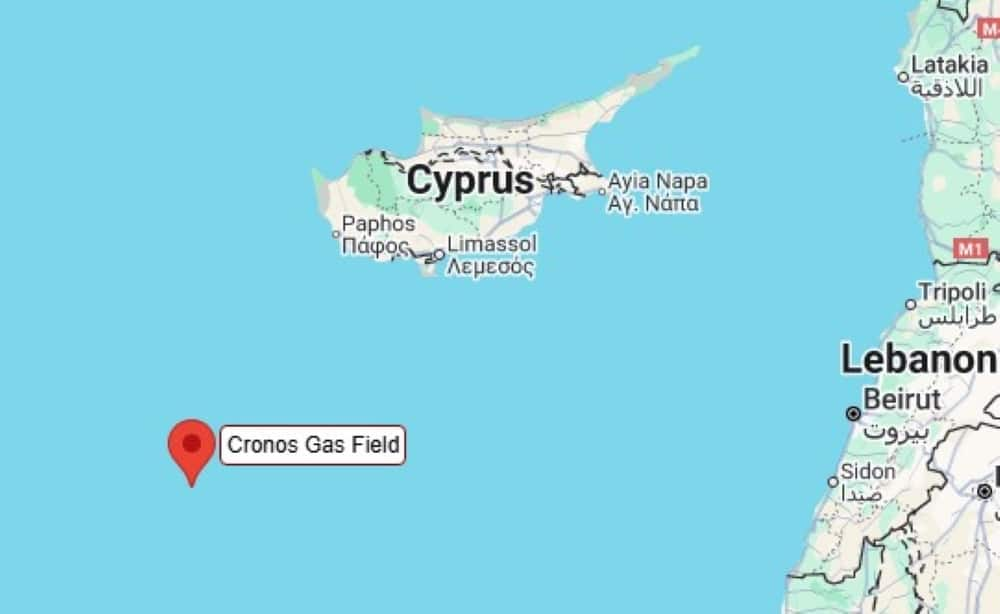
The Cronos Gas Field, located within offshore Block 6 of Cyprus’ Exclusive Economic Zone (EEZ), is estimated to contain approximately 3 trillion cubic feet of natural gas. The field is jointly operated by Eni and TotalEnergies, each holding a 50 percent stake.
Project Overview
Location: Approximately 160 km southwest of the Cypriot coast at a water depth of nearly 2,287 meters.
-
Discovery: Initially discovered in August 2022.
-
Appraisal Success: The Cronos-2 appraisal well, completed in early 2024, confirmed strong reservoir quality and excellent gas flow potential.
-
Current Status: Negotiations are nearing completion ahead of the Final Investment Decision (FID), while a limited number of commercial and contractual matters remain under discussion.
Export Route and Commercialization Strategy
Rather than developing an expensive standalone floating LNG facility, the consortium opted for a strategic regional partnership with Egypt through landmark commercial and host government agreements.
Under the proposed export plan:
-
Gas from Cronos will be connected to existing offshore infrastructure linked to Egypt’s Zohr field.
-
Production will then be transported to Egypt’s Damietta LNG Terminal for processing and liquefaction before export to European markets.
-
First gas deliveries are expected between late 2027 and early 2028, pending final approval and agreement execution.
Regional and Geopolitical Significance
Cronos is widely viewed as Cyprus’ flagship fast-track offshore energy project and a key component in strengthening regional energy cooperation between Cyprus, Egypt, and the European Union.
The project also carries broader geopolitical significance for the Eastern Mediterranean, particularly as regional energy alliances continue to evolve. Future integration of nearby Block 6 discoveries, including the Zeus Gas Discovery, could further enhance the economic and strategic value of the existing export infrastructure.
At a time of rapidly shifting geopolitical dynamics in the Eastern Mediterranean, regional governments — especially Lebanon — may need to closely monitor these accelerating developments. The changing political, economic, and energy landscape could have long-term implications for maritime border arrangements, offshore resource management, and previously negotiated agreements in the region. Strategic diplomacy, regional coordination, and proactive policymaking will be essential to safeguard national interests and ensure stability amid the evolving energy map of the Eastern Mediterranean.